
The Philosophy of Sacred Reclamation
Come home to yourself.
What Is Sacred Reclamation?
Sacred Reclamation is the philosophy that you deserve to be at the heart of your own life.
It is about recognising your worth, honouring your needs and reclaiming the confidence, freedom and personal sovereignty to make meaningful choices about how you want to live.
Throughout our lives, we take on many roles and responsibilities. We build careers, nurture relationships, care for others, respond to expectations and make commitments that matter deeply to us. Yet somewhere amongst everything we do and everything others need from us, we can gradually lose sight of ourselves.

Sacred Reclamation invites us to question that imbalance. It asks us to recognise that our wellbeing, aspirations, identity and inner lives deserve consideration alongside the people and responsibilities we hold dear.
Reclaiming yourself does not mean abandoning the life you have created. It means recognising that you matter within it.
It is an invitation to live with greater awareness, intention and authenticity, creating a life in which you are not simply fulfilling your responsibilities, but participating fully in your own existence.
You Belong at the Centre of Your Own Life
Many women have spent years being the dependable one. The person who supports, organises, manages, nurtures, achieves and holds everything together. These roles can bring enormous meaning and fulfilment, but they can also become so consuming that our own needs and desires are quietly pushed aside.
Over time, we may begin measuring our worth by how much we accomplish, how useful we are to others or how successfully we meet expectations. We can become so accustomed to putting ourselves last that considering our own happiness, ambitions or wellbeing begins to feel unfamiliar, uncomfortable or even selfish.
Sacred Reclamation challenges the belief that our value lies primarily in what we do for others.
It recognises that we are whole individuals with identities, aspirations, boundaries and inner lives that extend beyond our roles.
Placing yourself at the centre of your life is not about demanding that everything revolves around you. It is about taking responsibility for your own wellbeing, recognising where you have choices and allowing your needs to have a legitimate place in the decisions you make.
You can care deeply for others without disappearing from your own life.
Most of us arrive at a point, at some stage in our lives, where we realise we have been living inside a collection of definitions that do not fully belong to us.
Some of them were given to us by others. By society, by circumstance, by the bodies we were born into, by the roles we stepped into with love or necessity or simply because life asked it of us.
Some of them we gave to ourselves. Measuring our worth by our career title. Defining ourselves by what we could achieve or produce. Allowing the labels: illness, relationship status, caring role, body size, mental health history, to become the whole story of who we are.
I know this from the inside.
I have been defined by polycystic ovaries that meant I could not have children, and by a society that has a particular word for women like me. I have been defined by fibromyalgia, by depression, by anxiety. By caring roles that asked me to put myself last. By a career I worked hard to build and then lost. By a body that did not cooperate with the life I was trying to live.
And I know the moment when you look at all of those labels and roles and ask, quietly and with a kind of aching honesty, but which one is actually me?
That question is not a crisis. It is a beginning.
Because beneath every role you have ever carried, every label that has ever been placed on you or that you have placed on yourself, there is a woman who existed before any of it. Who has her own nature, her own desires, her own truth. Who has perhaps been waiting, patiently and without complaint, to be remembered.
Some roles are a joy and a blessing. Some are carried with genuine love. This is not about abandoning them or deciding they were wrong. It is about finding the woman underneath them all, and beginning to live from that place rather than being defined by the weight of what you carry.
That is where Sacred Reclamation begins. With remembering who you are.

Reclamation, Not Reinvention
Sacred Reclamation is not founded on the idea that there is something wrong with you, or that you must become an entirely different person to create a more fulfilling life.
It begins with curiosity and self-awareness.
Who are you beyond the roles you fulfil? What matters to you now? Which expectations have you accepted without questioning them? What have you stopped making time for? Where have you surrendered your choices, neglected your needs or lost confidence in your own voice?
Sometimes reclamation means reconnecting with something familiar: an ambition, a passion, a strength or a part of ourselves that has been overlooked. At other times, it means acknowledging that we have changed, that our priorities have evolved and that the life we want to create may look different from the one we once imagined.
Reclamation also requires action. Awareness alone does not necessarily change how we live. We need the courage to question established patterns, establish boundaries, make conscious decisions and translate our understanding into practical, sustainable changes.
Sacred Reclamation is not about becoming someone better. It is about developing a more conscious, confident and authentic relationship with who you are and how you choose to live.
Sacred Self-Care as a Way of Living
Within Sacred Reclamation, self-care is not an occasional indulgence or something we earn after fulfilling everybody else's needs. It is an ongoing expression of the value we place upon ourselves.
Sacred self-care means treating our physical, emotional, mental and spiritual wellbeing with care and respect. It includes listening to our bodies, recognising our limits, protecting our boundaries and making room for the experiences that nourish, sustain and fulfil us.
Sometimes this may involve meditation, reflection, ritual, creativity or time spent in nature. At other times, it is expressed through everyday decisions: asking for support, saying no, making time for rest, pursuing an ambition or recognising that something in our lives needs to change.
The word sacred reflects the belief that our relationship with ourselves deserves reverence. For some, this understanding is rooted in spirituality. For others, it is simply the recognition that their life, dignity and wellbeing are inherently worthy of care.
There is no requirement to follow a particular spiritual path to embrace this philosophy.
Sacred self-care is about learning to honour yourself through the choices you make and the way you live, rather than treating your own needs as an afterthought.
Living with Intention and Honouring Our Cycles
Life is not a constant state of growth, productivity or forward movement. There are times for beginning, exploring and taking action, just as there are times for reflection, reassessment, rest and renewal.
Sacred Reclamation recognises the value of these different rhythms.
We cannot always control the demands placed upon us, but we can become more aware of how we respond to them. We can learn to recognise when something needs our energy and attention, when a different approach is required and when it is time to pause, reflect or release what no longer serves us.

My own understanding of cyclical living is deeply influenced by my relationship with Luna, the zodiac and the rhythms of the natural world. The lunar cycle, with its phases of emergence, growth, culmination, release and renewal, offers a meaningful reflection of the changing processes we experience throughout our lives.
Yet the principles of cyclical living extend beyond any particular spiritual practice. They encourage us to recognise that change unfolds through different stages, that progress is not always linear and that reflection and renewal are as valuable as action.
Living intentionally means developing the awareness to make choices that reflect our values, circumstances and aspirations, rather than continually responding to external expectations.
It is not about achieving perfect balance or following a prescribed rhythm. It is about cultivating a more sustainable and conscious relationship with ourselves and the lives we are creating.
Sovereignty, Choice and Personal Responsibility

At the heart of Sacred Reclamation is the principle of personal sovereignty: recognising that you have a voice, that your choices matter and that you deserve to participate actively in shaping your own life.
Sovereignty does not mean having complete control over our circumstances. We all encounter responsibilities, relationships, limitations and unexpected changes that influence what is possible.
Nor does it mean becoming entirely independent of others or refusing the commitments that give our lives meaning.
It means recognising where we do have agency and learning to exercise it with confidence, discernment and integrity.
Sometimes that involves setting a boundary or challenging an expectation. Sometimes it means asking for help, making a difficult decision, pursuing a long-held aspiration or changing the way we respond to circumstances that cannot immediately be altered.
It also involves taking responsibility for our own choices, recognising the consequences they may carry and finding ways to honour both our individual needs and the commitments we value.
Personal sovereignty is not about placing yourself above others. It is about no longer placing yourself beneath them.
A Philosophy for Real Life
Sacred Reclamation is not an idealised vision of a life without difficulty, competing priorities or responsibility.
It is a philosophy intended to be lived within the realities of everyday existence.
It recognises that meaningful change can be challenging, particularly when we have spent years following familiar patterns or prioritising the needs of others. It acknowledges that our circumstances are different, our priorities evolve and there is no single formula for creating a fulfilling life.
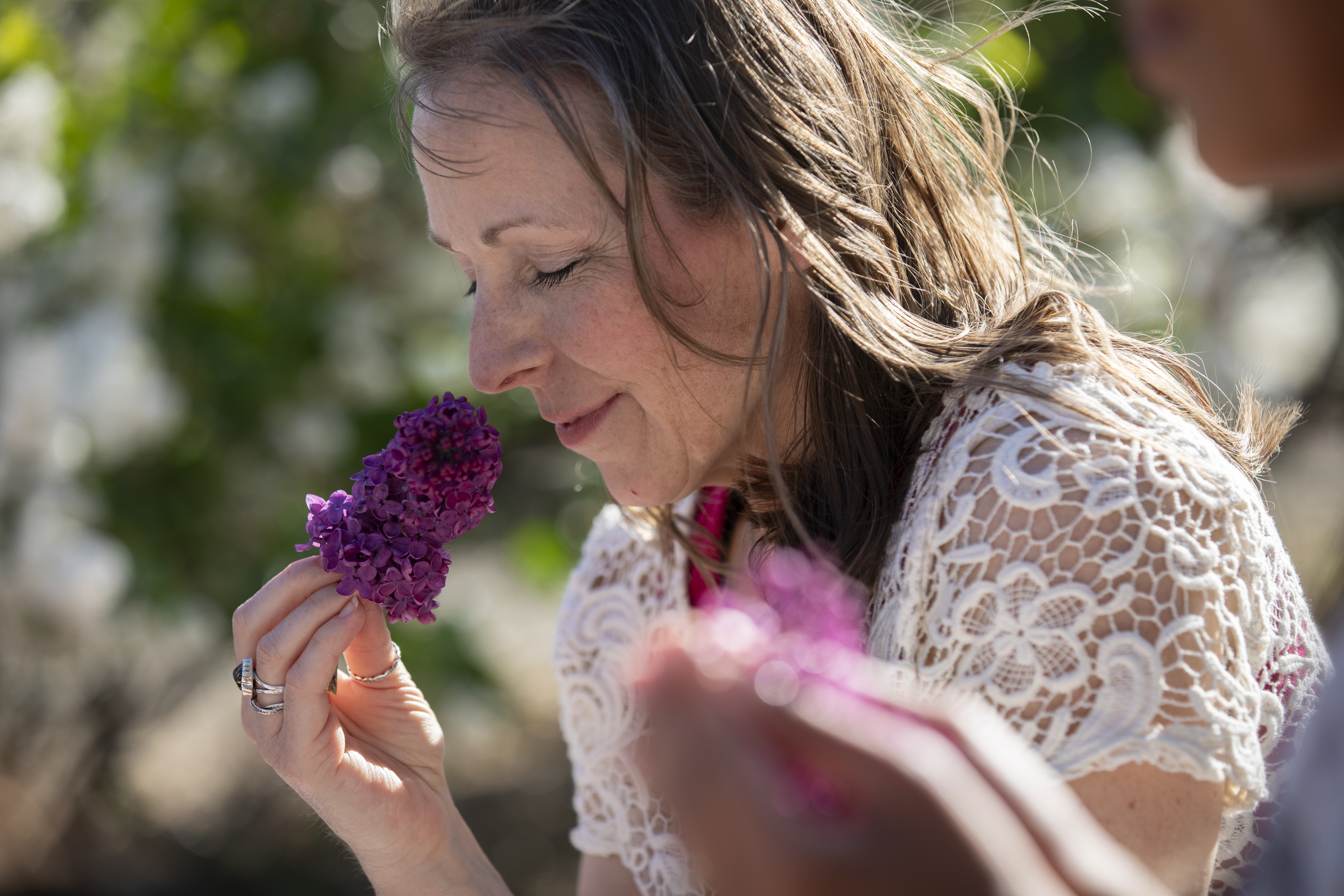
What matters is developing a greater understanding of ourselves and finding ways to bring that understanding into our decisions, relationships, work and daily lives.
This is also why Sacred Reclamation is not confined to one particular way of working. Its principles can inform personal reflection, coaching, workshops, conversations about wellbeing and professional development, while remaining rooted in the same fundamental belief: that people deserve to recognise their worth, exercise meaningful choice and create lives that honour who they are.
My own professional experience, lived experience and spiritual devotion have all contributed to this philosophy. It continues to evolve as I learn, question and deepen my understanding of what it means to live consciously and authentically.
Come Home to Yourself
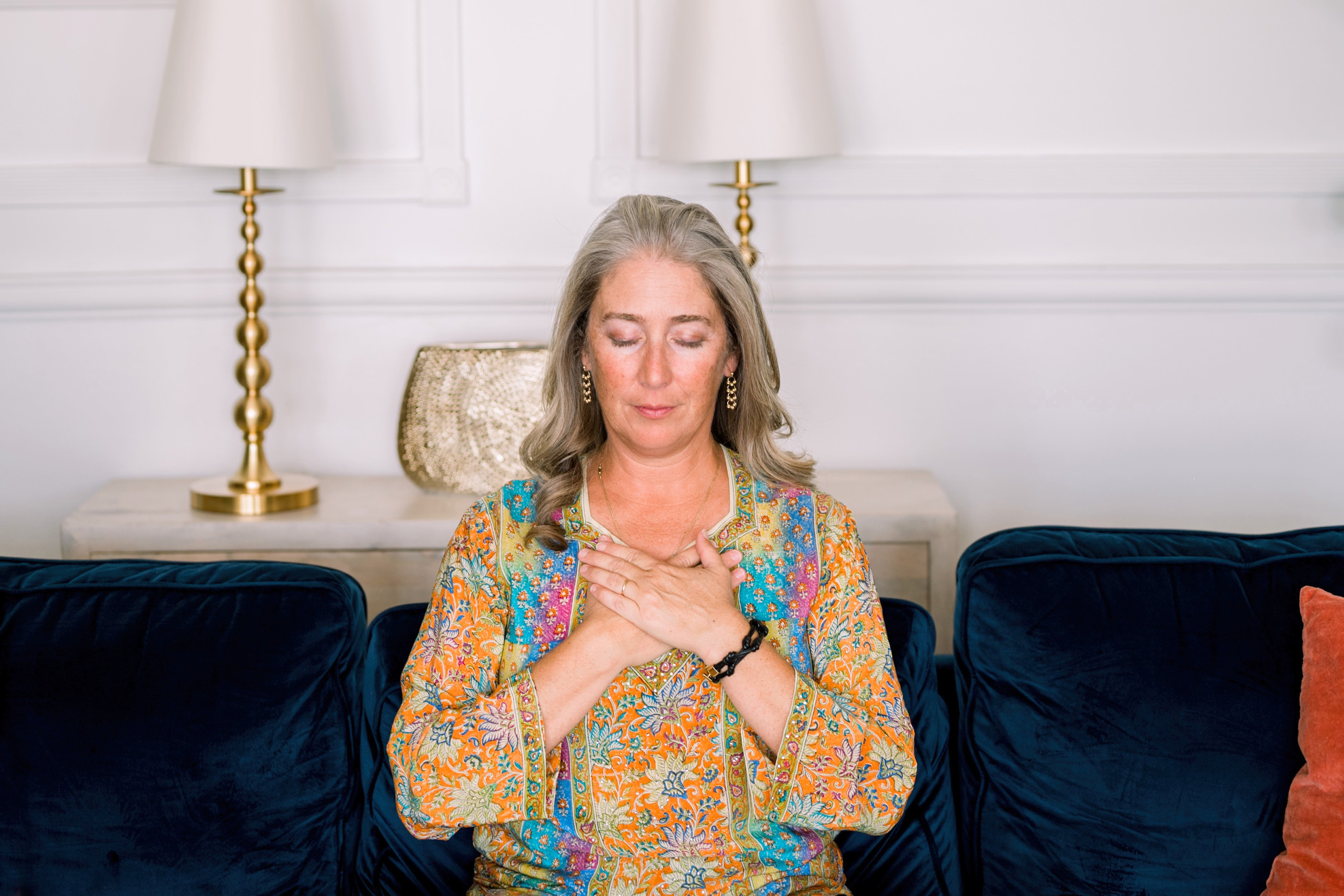
Sacred Reclamation is not a destination to reach or a transformation to complete.
It is an ongoing relationship with yourself, shaped by awareness, self-respect, courage and conscious choice.
There will be times when you feel deeply connected to who you are and what matters to you, and others when the demands of life make that connection more difficult to maintain. Reclamation is the willingness to return, to listen again and to recognise that your own needs, aspirations and wellbeing still matter.
You do not need to abandon your responsibilities, reject your past or become somebody else to begin.
You can honour the life you have created while reclaiming your place within it.
Come home to yourself. Your life belongs to you, too.


This space uses cookies gently, to understand how it is being received and to support your experience here.
© 2026 Beth Helbrow. All rights reserved